Yesterday, 01/10/16, I was thankful for cuddling with my blanket at home cooking a nice dinner in the power pressure cooker #DailyThankful
[Posted to Facebook on 01/11/16]

Yesterday, 01/10/16, I was thankful for cuddling with my blanket at home cooking a nice dinner in the power pressure cooker #DailyThankful
[Posted to Facebook on 01/11/16]

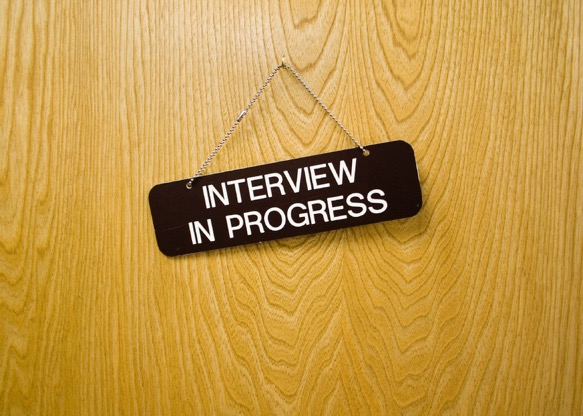
Today, 01/11/16, I was thankful for a successful interview and potential upcoming opportunities. #DailyThankful
[Posted to Facebook on 01/14/16]

Two days ago, 01/09/16, I was thankful for being successful on my second day of a new job. #DailyThankful
[Facebook posted on 01/11/16]


Three days ago, 01/08/16, I was thankful for unexpectingly running into old friends from the past and to hear that they are doing ok. #DailyThankful
[Posted to FaceBook on 01/11/16]


Yesterday, 01/07/16, I was and am thankful for loving, caring, and supportive parents. #DailyThankful
[Posted to FaceBook on 01/08/16]


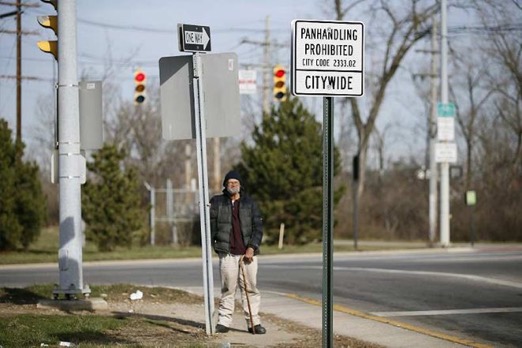
So I see this everyday on EVERY interstate exit ramp around the city. I watched this article and heard the panhandlers say they aren’t harming or bothering anyone.
True in that regard but what they didn’t mention is the trash, cigarette butts, and over trampling of the ground under them. I have yet to see a panhandling area free of this. Perhaps if you want to panhandle, since that is your business, then leave the area better than you found it – yeah old boy scout principle. – Jus’ Sayin’
http://abc6onyourside.com/news/local/new-panhandling-prohibited-signs-in-columbus

Yesterday, 01/06/16, I was thankful for sitting down and planning out for 2016 #DailyThankful
[Posted to FaceBook on 01/07/16]


Two days ago, 01/05/16, I was thankful for starting a new opportunity. #DailyThankful
[Posted to FaceBook 01/07/16]


9 Things That Make Good Employees Quit
Posted: 01/02/2016 2:02 pm EST Updated: 01/04/2016 5:59 pm EST
http://www.huffingtonpost.com/dr-travis-bradberry/9-things-that-make-good-e_b_8870074.html
It’s pretty incredible how often you hear managers complaining about their best employees leaving, and they really do have something to complain about–few things are as costly and disruptive as good people walking out the door.
Managers tend to blame their turnover problems on everything under the sun, while ignoring the crux of the matter: people don’t leave jobs; they leave managers.
The sad thing is that this can easily be avoided. All that’s required is a new perspective and some extra effort on the manager’s part.
First, we need to understand the nine worst things that managers do that send good people packing.
1. They Overwork People
Nothing burns good employees out quite like overworking them. It’s so tempting to work your best people hard that managers frequently fall into this trap. Overworking good employees is perplexing; it makes them feel as if they’re being punished for great performance. Overworking employees is also counterproductive. New research from Stanford shows that productivity per hour declines sharply when the workweek exceeds 50 hours, and productivity drops off so much after 55 hours that you don’t get anything out of working more.
If you must increase how much work your talented employees are doing, you’d better increase their status as well. Talented employees will take on a bigger workload, but they won’t stay if their job suffocates them in the process. Raises, promotions, and title-changes are all acceptable ways to increase workload. If you simply increase workload because people are talented, without changing a thing, they will seek another job that gives them what they deserve.
2. They Don’t Recognize Contributions and Reward Good Work
It’s easy to underestimate the power of a pat on the back, especially with top performers who are intrinsically motivated. Everyone likes kudos, none more so than those who work hard and give their all. Managers need to communicate with their people to find out what makes them feel good (for some, it’s a raise; for others, it’s public recognition) and then to reward them for a job well done. With top performers, this will happen often if you’re doing it right.
3. They Don’t Care about Their Employees
More than half of people who leave their jobs do so because of their relationship with their boss. Smart companies make certain their managers know how to balance being professional with being human. These are the bosses who celebrate an employee’s success, empathize with those going through hard times, and challenge people, even when it hurts. Bosses who fail to really care will always have high turnover rates. It’s impossible to work for someone eight-plus hours a day when they aren’t personally involved and don’t care about anything other than your production yield.
4. They Don’t Honor Their Commitments
Making promises to people places you on the fine line that lies between making them very happy and watching them walk out the door. When you uphold a commitment, you grow in the eyes of your employees because you prove yourself to be trustworthy and honorable (two very important qualities in a boss). But when you disregard your commitment, you come across as slimy, uncaring, and disrespectful. After all, if the boss doesn’t honor his or her commitments, why should everyone else?
5. They Hire and Promote the Wrong People
Good, hard-working employees want to work with like-minded professionals. When managers don’t do the hard work of hiring good people, it’s a major demotivator for those stuck working alongside them. Promoting the wrong people is even worse. When you work your tail off only to get passed over for a promotion that’s given to someone who glad-handed their way to the top, it’s a massive insult. No wonder it makes good people leave.
6. They Don’t Let People Pursue Their Passions
Talented employees are passionate. Providing opportunities for them to pursue their passions improves their productivity and job satisfaction. But many managers want people to work within a little box. These managers fear that productivity will decline if they let people expand their focus and pursue their passions. This fear is unfounded. Studies show that people who are able to pursue their passions at work experience flow, a euphoric state of mind that is five times more productive than the norm.
7. They Fail to Develop People’s Skills
When managers are asked about their inattention to employees, they try to excuse themselves, using words such as “trust,” “autonomy,” and “empowerment.” This is complete nonsense. Good managers manage, no matter how talented the employee. They pay attention and are constantly listening and giving feedback.
Management may have a beginning, but it certainly has no end. When you have a talented employee, it’s up to you to keep finding areas in which they can improve to expand their skill set. The most talented employees want feedback–more so than the less talented ones–and it’s your job to keep it coming. If you don’t, your best people will grow bored and complacent.
8. They Fail to Engage Their Creativity
The most talented employees seek to improve everything they touch. If you take away their ability to change and improve things because you’re only comfortable with the status quo, this makes them hate their jobs. Caging up this innate desire to create not only limits them, it limits you.
9. They Fail to Challenge People Intellectually
Great bosses challenge their employees to accomplish things that seem inconceivable at first. Instead of setting mundane, incremental goals, they set lofty goals that push people out of their comfort zones. Then, good managers do everything in their power to help them succeed. When talented and intelligent people find themselves doing things that are too easy or boring, they seek other jobs that will challenge their intellects.
Bringing It All Together
If you want your best people to stay, you need to think carefully about how you treat them. While good employees are as tough as nails, their talent gives them an abundance of options. You need to make them want to work for you.

| Article: | The Best Job Interview Tips of 2016 |
Charlotte Seager, Journalist for Guardian Careers
Use breathing techniques to boost confidence
At the heart of job interview confidence is feeling relaxed, so breathing and mindfulness exercises are helpful, says chartered psychologist Dr Gary Wood in a blog on how to boost confidence at a job interview.
“Staying present by focusing on your breathing just before an interview should help calm nerves,” adds mindfulness teacher Gelong Thubten. “When we are anxious, our blood flows away from our brain as we are in fight or flight mode, and our cognitive functions can suffer.”
So slow, deep breathing will bring the oxygen back to your brain and help you to think clearly.
Don’t talk too much … or too little
“Your answers should be like concise mini-essays with a clear beginning, middle and end,” says Steve Agace, director of sales at the Graduate Recruitment Bureau, in a blog on avoiding the most common interview mistakes. If your answer is too short it looks like you have little to say, too lengthy and you’ve probably babbled and missed the point. “Be composed, think before you answer and employ structure.”
Don’t ask your interviewer anything obvious
“When asked if you have any questions, steer clear of anything you should already know the answer to,” says Victoria McLean, CV writer and interview coach in a blog on ways to stand out in a job interview. Don’t forget that even though this is the end of the interview, the question is still an opportunity to sell yourself.
“I like questions that demonstrate intelligence or strategic thinking. For example: how is the current (insert relevant issue) impacting the strategy of your business? Any general question you ask can be improved by tailoring it to the business you’re applying to,” adds McLean.
Keep your answers under two minutes
Don’t start rambling, says Katherine Burik, founder of the Interview Doctor in a blog on how to answer common interview questions.
She says: “When answering questions it can be good to pick something you are particularly proud of to demonstrate your expertise in the job for which you are interviewing. But just give an overview – they will ask if they want more details.
“Practice out loud until the words flow off your tongue and you’ll make a great presentation.”
Remember private conversations are not always private
“Not all conversations outside the interview room are private and savvy employers will check the social media profiles of prospective staff when considering applicants,” says Emily Johnson, marketing executive at Give A Grad A Go, in a blog on what job hunters can learn from politicians.
As part of this, it’s a good idea to be polite to everyone you meet within a five mile radius of the interview. Likewise, think about the impression your social media profiles provide and mute anything that may appear unappealing to a future boss.
Don’t over-prepare, and be yourself
“It’s definitely a good idea to prepare answers to potential questions but make sure you don’t sound like you are reading from a prepared script,” says Lizzie Mortimer, careers consultant for the University of Edinburgh in a blog on ways to succeed in a video interview. “Have a few bullet points to hand so you remember the points you want to make, but still sound natural and enthusiastic.”
It’s important not to sound scripted when replying, as this can make your answers sound stilted and lack personality. “I once ran a phone interview where the candidate seemed to have scripted answers to every possible question. Each time I asked a question, I heard this intense rustling noise as he searched for his answer,” says McLean. “Needless to say, he didn’t get the job.”
Charlotte Seager is a journalist who works on Guardian Careers. She also writes for the Guardian books site. To learn more about Charlotte, follow her on Twitter @CharlotteSeager
 Menschheit: A prospective from Stanley E Thornburgh II